This is default featured slide 1 title

Go to Blogger edit html and find these sentences.Now replace these sentences with your own descriptions.This theme is Bloggerized by Lasantha Bandara - Premiumbloggertemplates.com.

This is default featured slide 2 title

Go to Blogger edit html and find these sentences.Now replace these sentences with your own descriptions.This theme is Bloggerized by Lasantha Bandara - Premiumbloggertemplates.com.

This is default featured slide 3 title

Go to Blogger edit html and find these sentences.Now replace these sentences with your own descriptions.This theme is Bloggerized by Lasantha Bandara - Premiumbloggertemplates.com.

This is default featured slide 4 title

Go to Blogger edit html and find these sentences.Now replace these sentences with your own descriptions.This theme is Bloggerized by Lasantha Bandara - Premiumbloggertemplates.com.

This is default featured slide 5 title

Go to Blogger edit html and find these sentences.Now replace these sentences with your own descriptions.This theme is Bloggerized by Lasantha Bandara - Premiumbloggertemplates.com.

Monday, January 5, 2015

Cornflower Tea Benefits


Cornflower Tea Benefits have been noted by practitioners of herbal medicine for ages. It is known as an herb with substantial astringent and antiseptic properties. In the olden days, the leaves or seeds of the cornflower were steeped in wine and taken as a cure for pestilential fevers.


Cornflower is an annual herb that's typically grown as a garden flower. The flower has a brilliant blue hueand is perched atop a wiry and erect stem that grows up to 1 to 2 feet. The leaves are usually of a grayish-green hue and are lance-shaped.


Known by its scientific name of centaurea cyanus, the cornflower is thought to have originated from the Turkey and Greece area. It now grows wild in Europe and North America.


The active constituents of cornflower are flavonoids, coumarins and sesquiterpene lactones. These are mainly found in the petals, seeds and leaves of the cornflower. To make cornflower tea, place a tsp of the dried herbs in a cup of boiling water. Let the mix stand for about 5 to 7 minutes then drink.


The following are the health benefits attributed to cornflower tea:


Cornflower tea is believed to support good digestion.

Cornflower tea may help protect the liver.

Cornflower tea may help in the treatment of rheumatic ailments.

Cornflower tea may help stop bleeding in wounds.

Cornflower tea may help enhance protection from various infection.

Cornflower tea may help in the treatment of urinary tract infection.

Cornflower tea, when applied as an eyewash, may help in the treatment of conjunctivitis. It                 may also help rejuvenate tired eyes.

Cornflower tea, applied topically, may help alleviate yeast infection.

Cordyceps Tea Benefits


Cordyceps tea benefits are quite numerous and are believed to be most potent as longevity and energy boosters. In China , the cordyceps mushroom is widely believed to be a cure-all herb that is able to strengthen the body's systems, and provides anti-aging, immune boosting and rejuvenating properties.


Known by its scientific name of cordyceps sinensis, cordyceps mushrooms have a distinguished history as medicinal fungi in traditional Chinese medicine. Cordyceps have been used to treat a host of medical conditions for thousands of years. Extracts from the fruiting bodies of cordyceps mushroom species showed significant anti-cancer activities through various actions. Among these are modulating the immune system and inducing cell death or apoptosis.


This mushroom is also known as caterpillar mushroom due to its unique elongated grassy-like appearance. It is actually a parasitic organism that grows wildly on insect hosts (like caterpillars and ants) in the plateaus of China, Nepal, and Tibet. Knowledge about the cordyceps mushroom's potential medicinal properties has spread worldwide and as such, it is now grown even in the Americas and Europe.


Most of the cordyceps tea benefits are derived from the active constituents of the mushroom which include: adenine, adenosine, guanosine, thymine, inosine and thymidine.


While it is traditionally taken as part of broths and soups, an herbal brew can be made using the mushroom. It can be made by placing some dried cordyceps mushroom strands in boiling water and allowed to boil for about 3 to 5 minutes. Let the mix stand for about an hour before drinking. Alternatively, powdered mushrooms can also be used and a teaspoon this can be placed into a mug of newly-boiled water. Cordyceps tea typically tastes bitter.


The following are believed to be the most important cordyceps tea benefits:


Cordyceps tea may help lower the risk for developing tumors and cancer.

Cordyceps tea may help improve the immune system.

Cordyceps tea may help protect the liver and kidneys.

Cordyceps tea may help tonify the lungs and as such, may assist in quicker recovery from                   respiratory ailments such as asthma, bronchitis and cough.

Cordyceps tea may help strengthen cardiovascular health by fighting bad cholesterol.

Cordyceps tea is said to contain hypoglycemic properties that may help fight diabetes.

Cordyceps tea may improve the male sexual function.

Cordyceps tea's restorative properties may help fight weakness and lethargy. It has been                       used to help people recover faster from illnesses. It has also been used to help boost athletic                 performance.

Coltsfoot Tea Benefits


Coltsfoot Tea Benefits are quite known in the world of traditional medicine as being effective in the treatment of lung, chest and bronchial problems.


Coltsfoot is a perennial, woolly herbaceous plant that spreads by seeds and rhizomes. In the early spring, the coltsfoot plant produces a stem with a yellow flower head, resembling a dandelion. When the stem withers and dies, the hoof shaped leaves appear.


Also known as tussilago farfara, coltsfoot is native to Europe and England, but can also be found in North America. The coltsfoot plant typically reaches a height of between 10 to 30 centimeters.


The active constituents of coltsfoot are mucilage, flavonoids, tannins, and pyrrolizidine alkaloids. These coltsfoot constituents are known to impart the expectorant, antitussive, demulcent, anti-spasmodic, anti-inflammatory, diuretic and anti-catarrhal properties of the herb.


Recent studies have pointed out that due to the presence of the pyrrolizidine alkaloids, the frequent use of coltsfoot may contribute to liver toxicity and even cancer. However, the risks are generally seen by many as small and the health benefits outweigh these risks. Pregnant women, infants and children are advised not to use coltsfoot, though. The long-term use of this herb is also not advised.


The health benefits of coltsfoot can be derived through tea infusion, capsules, syrups and extracts. To make coltsfoot tea, place a teaspoon of dried coltsfoot herbs (the leaves and sometimes, the buds and flowers are used) in a cup of hot water. Then let it soak for about thirty minutes.


The health benefits attributed to coltsfoot tea are the following:


Coltsfoot Tea is said to be effective in treating and relieving lung, chest and bronchial                         ailments such as:

whooping cough
dry cough
asthma
catarrh
bronchitis
emphysema

Coltsfoot Tea may help in improving the immune system.

Coltsfoot Tea may help in combatting inflammations.

Coltsfoot Tea, using the crushed flowers and when applied externally, supposedly cured                       certain skin conditions. More research is warranted in this area, however.

Comfrey Tea Benefits


Comfrey Tea Benefits have been in the radar of many traditional medicine practitioners as being effective in the healing of bones, lesions and wounds. However, due to concerns about possible toxic effects of comfrey on liver, it is not currently recommended for internal use.


Comfrey is a perennial herb with a black, turnip-like root and large, hairy broad leaves with small bell-shaped white, cream, purple or pink flowers.

Also known by its official name symphytum officinale, comfrey is native to Europe, growing in damp, grassy places, and is widespread throughout river banks and ditches in Britain.


The leaves of the comfrey plant contain much of its healing properties. While comfrey contains such active constituents as mucilage, saponins, tannins, carotene and beta-sitosterol, the main healing factor in comfrey leaves appears to be allantoin, which promotes and encourages the rapid growth of cells.


There is considerable controversy on the use of comfrey due to concerns that it contains pyrrolizidine alkaloids (PA) that are toxic to the liver. However, many traditional medicine practitioners say that laboratory tests have pointed out that only minute levels of PAs were found in random comfrey samples. They have also pointed out that comfrey leaf has been regularly ingested by thousands of people around the world without reported ill effects. Still, the use of comfrey by pregnant women is not recommended.


While preparations involving comfrey is currently not recommended to be used internally, comfrey tea may still be applied externally.


The following are the benefits attributed to comfrey tea:


Comfrey Tea, applied externally, may help in the healing of broken bones and sprains.

Comfrey Tea, applied externally, may help in the healing of bruises.

Comfrey Tea, applied externally, may help heal cuts and wounds.

Comfrey Tea, applied externally, may help in the fight against acne.

Comfrey Tea may also be used on plants as an organic fertilizer.

Codonopsis Tea Benefits


Codonopsis Tea Benefits are quite known in the annals of traditional Chinese medicine as being potent and effective for chronic fatigue. This is because it is known as a good replenishing agent for qi, which is the flow of energy in the human body.


Codonopsis is a perennial flowering plant species that is typically found in the Shanxi and Szechuan provinces in China, as well as in Korea, but is now cultivated across the globe. The codonopsis root is used extensively in traditional Chinese medicine but the plant itself is also grown as an ornamental. It is typically found around streambanks and in the forests.


Also known by its scientific name of Codonopsis pilosula, it is often dubbed as the 'poor man's ginseng'. Codonopsis often reaches a length of eight to ten feet. The codonopsis plant is shrubby, dense and has a propensity to climb. It has heart shaped leaves, green five-pointed bell shaped flowers, and has striking yellow or light purple veins. Codonopsis roots are typically 1 to 3 centimeters thick.


Codonopsis root has a sweet taste which makes it also ideal to be eaten raw. In China , babies are provided pieces of codonopsis root to teethe on. It is also given to children to help them grow strong, and breast-feeding women use codonopsis tea as a tonic to increase the quantity of milk they produce.


The following are the active constituents of codonopsis root: friedelin, taraxerol, alpha-spinasterol, alpha-spinasterol-beta-D-glucopyranoside, n-butyl-alpha-D-fructofuranoside and n-butyl-beta-D-fructopyranoside.


Codonopsis Tea can be made by boiling the roots in a cup of hot water for 20 to 30 minutes. The tea has a pleasant slightly sweet taste.


The following are the health benefits attributed to codonopsis tea:


Codonopsis Tea may be helpful in the treatment of diarrhea.

Codonopsis Tea may help in the treatment of appetite loss.

Codonopsis Tea may help alleviate vomiting.

Codonopsis Tea may help reinvigorate the body and enhance the body's ability to withstand                 stress.

Codonopsis Tea may help relieve migraine-related headaches.

Codonopsis Tea may help lower blood pressure.

Codonopsis Tea may help the formation of peptic ulcers.

Codonopsis Tea may help ease asthma attacks.

Codonopsis Tea may help hasten recovery of cancer patients from radiation therapy. It may                 also help increase red and white blood cell count.

Codonopsis Tea is believed to help treat indigestion and related abdominal disorders.

Codonopsis Tea may help in the treatment of lupus.

Club Moss Tea Benefits


Club Moss Tea Benefits have been known for a long time. The plant is known to possess diuretic, analgesic and antispasmodic properties.


Club Moss is an evergreen that is related to ferns. It is mostly found in Europe and Russia, where the climates are comparatively colder.


The club moss is said to be structurally similar to the earliest vascular plants that inhabited the Earth hundreds of millions of years ago. It has scale-like leaves and spores at the bases of the leaves. They likewise have branching stems.


The active constituents of club moss are alkaloids, polyphenols and flavonoids. To make club moss tea, place small cut pieces of the plant in about one ounce of boiling water. Let it stand for about 3 to 5 minutes. Take a cup once during the day.


Club moss tea should not be used by pregnant women. It is also NOT for long-term use.


The following are the health benefits attributed to club moss tea:


Club Moss Tea is said to help cleanse the kidney and help in the treatment of related                             ailments.

Club Moss Tea may help in the relief of urinary tract infection.

Club Moss Tea is said to help relieve gastritis, indigestion and constipation.

Club Moss Tea is said to help in the treatment of certain liver diseases.

Club Moss Tea may help reduce edema.

Club Moss Tea, when applied topically, may help in the healing of wounds and in stopping                 bleeding.

Club Moss Tea may help regulate menstruation.

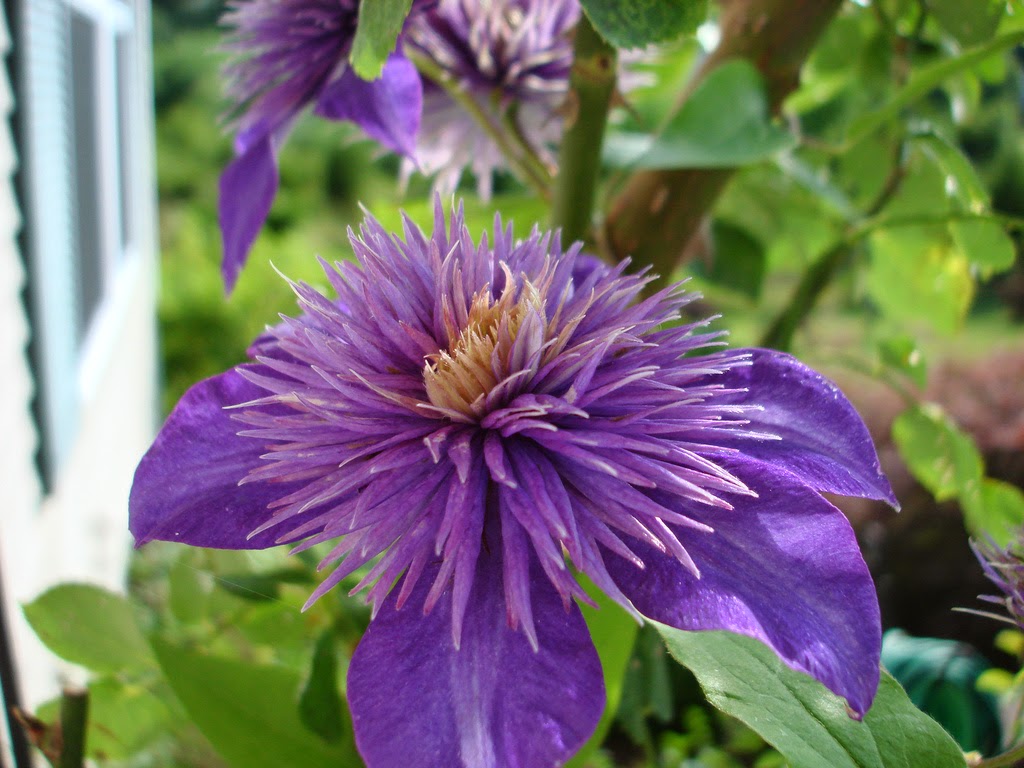
Clematis Tea Benefits


Clematis tea benefits are widely recognized in the annals of traditional Chinese medicine for their anti-rheumatic, antidote, anodyne, antispasmodic and diuretic qualities.

Clematis refers to a genus of about 300 species of mostly woody climbing vines. There are clematis species that are shrubby while others are herbaceous perennial plants. Clematis species that grow in temperate regions of the world are deciduous while those in warmer climes tend to be evergreen.

Clematis species that are popular in European gardens actually came from Japanese gardens. These in turn were believed to have originated either in Anhui, Zhejiang and Jiangsu provinces of China where they were used extensively in traditional medicine. Clematis chinensis is the scientific name of the species used mainly to eliminate the effects of "wind-cold dampness" in the body.

Clematis tea benefits are imparted through the roots or rhizomes of the clematis chinensis. The roots are typically placed in boiling water for about 10 minutes. This decoction is then left to simmer for a further 5 to 7 minutes before being drunk. The resultant clematis tea has a pungent and salty flavor.

Considered a "warming" tea, this drink is believed to help disperse the accumulated cold in the body that results in aches and pains in the joints and muscles of the body. The dispersal action of this tea is said to result in the stimulation of the "qi" or the vital energy in the body needed for optimum body functions.

The active constituents of the clematis root that bring about clematis tea benefits are the following: protoanemonin, saponins, oleanolic acid, hederagenin, epihederagenin and aglycone.

The long-term use of clematis tea is not recommended as extended exposure to protoanemonin might lead to mucosal hyperemia and some skin disorders. Pregnant women and those with certain blood deficiencies are cautioned on the use of this tea.


The following are the clematis tea benefits attributed to this brew:


Clematis tea may help ease pains from arthritis and rheumatism caused by dampness and wind-cold factors.

Clematis tea may help relieve other joint pains and inflammation.

Clematis tea may aid in the relief of stiffness and numbness of the extremities.

Clematis tea may help relieve motor impairment problems.

Clematis tea may help fight muscle spasms.

Clematis tea may help eliminate phlegm and thus may be helpful against congestion-related ailments such as cough, colds, asthma and bronchitis.

Clematis tea has traditionally been used to dissolve fish bones that stick to the pharynx.

Clematis tea may help stimulate the circulation of the "qi" or vital energy through the vital meridians in the body.

Clematis tea may have certain anti-tumor effect, although more studies are needed to establish its viability in cancer treatment.

Cleavers Tea Benefits


Cleavers Tea Benefits have been known for centuries as being effective for skin, heart and kidney diseases. Cleavers is also vaunted as a diuretic and a healer of wounds.


Cleavers is a herbaceous pasture plant native to North America, Britain and Eurasia . The cleavers plant is commonly found as a weed in hedges, in arable lands, as well as in gardens. They grow rampantly and thickly, and usually end up shading out ohter plants that they overrun.


The cleavers plant is characterized by its clinging leaves that usually grow to a height of up to 2 meters. The leaves and stem of the cleavers plant have hook-tipped hairs. The flowers have 4 petals and are usually colored green to white. The seeds, meanwhile, are very sticky and attach themselves to any animal or person passing them.


Also known by its scientific name of gallium aparine and by its other monickers like bedstraw, barweed, catchweed, grip grass, the entire cleavers plant is used in herbal medicine and is harvested just before it blooms in early summer. Cleavers has a slightly bitter taste.


The active constituents of cleavers are chlorophyll, citric acide, rubichloric acid, galiosin and tannins. To derive these constituents, cleavers is usually taken in the form of tea, extracts, capsule, or fresh (as food accompaniment). Cleavers tea is made by infusing 2 to 3 teaspoons of the dried above-ground parts of the cleavers plant in a 250 mg cup of hot water. Let the mixture steep for about 10 to 15 minutes. Cleavers tea may be taken up to three times per day.


The following are the health benefits attributed to cleavers tea:


Cleavers tea is a diuretic and may be used to clear urinary stones and treat urinary tract                         infections.

Cleavers tea may be helpful in treating jaundice.

Cleavers tea may be helpful in treating congestive heart failure.

Cleavers tea may help in purifying the blood.

Cleavers tea is traditionally used for cancer, particularly that of the lymphatic system.

Cleavers tea, when applied topically, may help in the treatment of the causes of chronic                       skin conditions like acne, eczema or psoriasis. The tea can also be for freckles and sunburn.

Cleavers tea may also be effective in healing wounds.

Chrysanthemum Tea Benefits


Chrysanthemum Tea Benefits have been revered by generations of Chinese and Oriental peoples.


The chrysanthemum plant is native to China, Japan and other countries in East Asia where it grows in the wild. The chrysanthemum is a leafy plant that is adorned with clusters of daisy-like flowers at its crown.


The chrysanthemum was said to have originated in China and was introduced to Japan by the 8th century C.E. The Japanese made the flower the official seal of the Emperor and today still figures prominently in the annals of traditional Japanese medicine.


The constituents of chrysanthemum are vitamin C, beta-cartone, calcium, fiber, folacin, iron, magnesium, niacin, potassium and riboflavin.


To prepare chrysanthemum tea, dried flowers should be infused in hot water for about 5 minutes. Chrysanthemum tea is slightly yellow in color and has a floral aroma and taste.


The following are the health benefits attributed to chrysanthemum tea: 


  1. Chrysanthemum Tea may help lower blood pressure and consequently also help in the               treatment of other related ailments, i.e. angina and other heart problems.
  2. Chrysanthemum Tea may help relieve headaches.
  3. Chrysanthemum Tea may help in the treatment of colds, fever and the flu.
  4. Chrysanthemum Tea may help in the treatment of tinnitus.
  5. Chrysanthemum Tea may help in the treatment of such skin problems as acne, boils and             sores.
  6. Chrysanthemum Tea is believed to contribute to clear vision.
  7. Chrysanthemum Tea may help in the alleviation of dizziness.
  8. Chrysanthemum Tea is believed to contribute to alertness.

Chicory Tea Benefits


Chicory Tea Benefits have been known for generations as possessing potent diuretic, tonic and laxative properties. It is also a popular herbal remedy in parts of Egypt for rapid heartbeats.

Chicory is a bushy perennial herb that grows as a wild plant commonly found in roadsides. It is part of the daisy and dandelion families. Chicory possesses blue, pinkish, or occasionally white flowers and is native to Europe, and naturalized in both North America and Australia.

Also known by its official name of cichorium intybus, the cultivated forms of chicory are commonly grown for their leaves or roots. These are baked, ground, and popularly used as a coffee substitute. The leaves can also be eaten as salad.

The main constituent found in the chicory root is the polysaccharide inulin. Inulin is mainly used as a sweetener in the food industry and is known to be convertible to fructose or glucose. Inulin is also being recognized as a source of dietary fiber. Other compounds found in chicory root are some bitter principles, tannins and a volatile oil.

To make an infusion of chicory tea, pour 1 cup of boiling water on a teaspoon of dried chicory root and let stand for about 5 minutes. To make a decoction of chicory tea, let simmer a teaspoon of dried chicory root in 2 cups of boiling water for about 15 minutes.

Possessing a pungent taste, the following health benefits are attributed to chicory tea:


Chicory tea may have some sedative effects on the nervous system.

Chicory tea may help in the treatment of liver ailments and other hepatic diseases.

Chicory tea may help introduce healthy bacteria in the colon that contributes to the prevention of         colon cancer.

Chicory tea may help in the treatment of gastroenteritis.

Chicory tea may help stimulate the appetite.

Chicory tea may help in the treatment of gallstones.

Chicory tea may aid in the treatment of sinuses.

Chicory tea may help treat cuts and bruises.

Chickweed Tea Benefits


Chickweed Tea Benefits have been recognized for many years mainly for their effectiveness in the treatment of many skin and stomach disorders.


Chickweed is an herb that's easily recognized by its straggling stems that bear paired leaves and small white flowers. Chickweed belongs to the same plant family as cloves. Chickweed is also known by such names as stellaria media, tongue grass, adder's mouth, satinflower, chick wittles, star weed and winter weed.


It is quite high in Vitamin C, calcium, magnesium and potassium.


Chickweed Tea is typically prepared by placing chickweed herb or chickweed powder (usually made from the aerial parts of the chickweed plant) in boiling water. Let steep for about 7 to 10 minutes. Chickweed Tea can both be used internally and externally.


Pregnant women and those with existing medical conditions are urged to consult their physicians before trying out chickweed tea and other herbal teas.


The following are the health benefits attributed to chickweed tea:


Chickweed Tea may help treat acne and other skin disorders such as sores, rashes, boils and                 burns.

Chickweed Tea may help purify the blood and detoxify the system. Among others, chickweed             tea may help dissolve plaque in the blood vessels, and may help treat blood poisoning.

Chickweed Tea may help in achieving weight loss by suppressing the appetite.

Chickweed Tea may help stop bleeding in the stomach and bowels.

Chickweed Tea may help reduce swelling of torn ligaments when topically applied to the                     affected areas.

Cranberry Tea Benefits


Cranberry Tea Benefits are increasingly being recognized for their anti-bacterial and antioxidant properties. Long a familiar fixture in the American Thanksgiving meal, the cranberry fruit is now being touted as a 'superfood' possessing potent healing properties, especially in the area of urinary tract infections.


The cranberry plant is a small evergreen shrub and trailing vine, which grows in mountain forests and damp bogs that stretch from Alaska to Tennessee. It has slender, wiry stems and evergreen leaves. The cranberry bush produces pink or purple flowers in the spring and bright red berries in the fall.


The active constituents of cranberry are arbutin, anthocyanins, oligomeric proanthocyanidins, and natural sugars.


Also known by its scientific name of vaccinium macrocarpon, the cranberry has a tart fruity taste and is rich in vitamin C. Many people prefer to derive the health benefits of the fruit through cranberry tea rather than cranberry juice, as the former is seen as possessing less calories.


Cranberry tea can be made by combining the powdered cranberry fruit with sugar-free teas like green tea and rooibos tea, or with herbal infusions like cinnamon tea. Cranberry tea bags are also widely available for ready infusion in hot or near-boiling water.


It is important to note that adding sugar to the cranberry tea cancels out the antibacterial properties of the tea.


The following health benefits are attributed to cranberry tea:


Cranberry tea can be used to treat and prevent urinary tract infection.

Cranberry tea may be effective against kidney disorders.

Cranberry tea may be helpful in treatment of gingivitis.

Cranberry tea holds promise in the fields of cancer, heart disease and stroke treatments due                 to its high concentration of antioxidants that may be used as a weapon against free radical                   damage.

Cranberry tea may have beneficial effects in fighting eye problems.

Cranberry tea may have beneficial effects in fighting scurvy.

Chaparral Tea Benefits


Chaparral Tea Benefits have been known in the annals of Native American traditional medicine as being effective for skin disorders and blood poisoning, among others. Many likewise believe it to be a good alternative cancer treatment, though controversy has raged as to its apparent toxicity to human liver cells.


Also known by its official name of larrea tridentata, chaparral is a flowering evergreen shrub that grows up to 1 to 3 meters tall. It possesses resinous dark green leaves and yellow flowers and can typically be found in the southwestern states of the United States, as well as northern Mexico.

Among the active constituents of chaparral are alpha-pinene, beta-pinene, cobalt, limonene and zinc.


Chaparral tea can be made by a sprig of dried chaparral leaves and flowers into a cup of boiling water. Let the mixture soak for about 2 to 3 minutes, then strain.

It should be noted that chaparral was once banned by the American Herbal Products Association when it was thought that it may have caused hepatitis. The ban has since been lifted when no association between chaparral and the reported cases of hepatitis could be confirmed. However, the internal use of chaparral is still not recommended. Those who still choose to take chaparral tea internally are cautioned to use it very sparingly.


The following are the benefits attributed to chaparral tea:


Chaparral Tea, applied topically, may be effective against skin disorders such as eczema, herpes,         athlete's foot, ringworm, cold sores and dermatitis.

Chaparral Tea may be inhibitory to certain types of cancer.

Chaparral Tea steam, when inhaled, may help alleviate and relieve coughs, colds and other                 congestion problems.

Chaparral may be helpful in the treatment of blood poisoning.

Chamomile Tea Benefits


Chamomile tea benefits have been widely acknowledged and recognized for centuries.


Chamomile tea comes from herb Matricaria recutita, also known as manzanilla. Its flowers and leaves have been brewed for centuries and drank as a fragrant and flavorful tea. Chamomile tea's reputation as a medicinal tea shows little signs of abatement.


Chamomile tea has been regarded as a medicinal cure-all. It had been considered a universal remedy by the ancient Egyptians. Now, researchers in England have found new evidence that the chamomile tea may actually help relieve a wide range of health ailments, including colds and menstrual cramps.


The researchers have found that drinking chamomile tea was associated with a significant increase in urinary levels of hippurate (breakdown products of certain plant-based compounds) and glycine (an amino acid).


The presence of those components appear to contribute to the following Chamomile Tea Benefits:


Chamomile tea boosts the immune system and fight infections associated with colds

Chamomile tea relieves muscle spasms and menstrual cramps in women

Chamomile tea relaxes the nerves

Chamomile tea soothes the stomach

Chamomile tea reduces inflammation

Chamomile tea improves liver function

Chamomile tea helps relieve back pain

Chamomile tea helps relieve rheumatism


Levels of both hippurate and glycine remained elevated for up to two weeks after the study participants stopped drinking the tea, indicating that the compounds may remain active for quite some time, according to the researchers.

Chai Tea Benefits


Chai tea benefits have been known for quite a long time. The beginnings of chai tea can be found in the annals of Indian Ayurvedic medicine some 5,000 years ago. It belonged to a healing system that relied on spices, herbs and sweeteners to cure various ailments.

Chai tea is made from a base of either black, green or oolong tea, and then combined with such herbs as ginger, cinnamon, cloves, cardamom, nutmeg, black peppercorns and fennel. Milk may be added to this mix and serves to enhance the flavor. Honey is also often added to give the brew a sweet and pleasant taste.

The different spices in chai tea have been used in traditional Asian medicine for centuries. Both Ayurvedic and Chinese Traditional Medicine place a high value on spices in the treatment of a wide array of health conditions.

Chai tea has become popular of late as the proliferation of gourmet coffee and tea houses placed this beverage on the spotlight. In these places, chai tea can be consumed either hot or cold and are processed as lattes. However, these chai tea drinks may not be as beneficial as traditionally-prepared chai tea, as these drinks often contain lower amounts of the chai spices, and often have higher amounts of white sugar. The spices may also not be as potent because coffee shops tend to order chai mix in large batches rather mixing it fresh on a daily basis.

The health benefits of chai tea are the result of the individual benefits of its component herbs and spices.


The following are the health benefits attributed to chai tea:

Chai tea may help ease sore throat.

Chai tea may help alleviate cough and cold symptoms.

Chai tea may help enhance the immune system.

Chai tea may help ease the digestive process.

Chai tea may help calm the system.

Chai tea may help fight bacterial infection.

Chai tea may help contribute to a healthy cardiovascular system.

Chai tea may help in the protection against cancer and other diseases associated with free radical         damage.

Chai tea may help reduce body aches.